Paying Taxes SucksThe debit has parts
The sour part of a withdrawal is that it arrives as one number. Steven Palmieri signs on as the Tax CFO, we work as the Entrepreneur's CFO, and the split into income tax, the self-employment line, and an estimate that never left is where the books and the return start.
Go to the form
Name the withdrawal

You will be talking to the Steven Palmieri practice.
The number was a surprise
A preparer can total what already left the bank. That count is the accountant's part. The Tax CFO part is the choice still open, the next estimate, what an owner takes home, and the month that sizes the withdrawal before it hits. The money still leaves. It stops arriving as news.
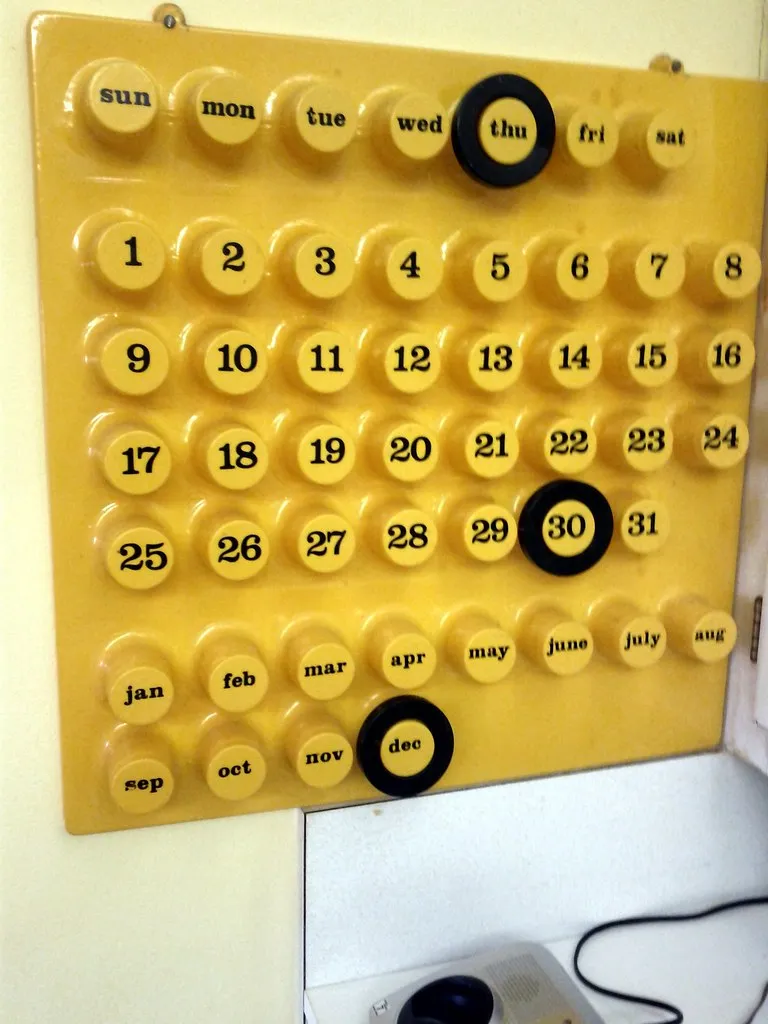
After the year feels finished
December can feel like the finish. The January estimate is still on the calendar after that week.
Click to see the January date ›Tap to see the January date ›
Before the busy week
Money can leave while the work is still in front of you. The next debit gets a size before that week.
Click to see what to send ›Tap to see what to send ›
The afternoon it left
An unnamed withdrawal stretches a wait. The picture is the laptop after the bank line showed.
Click to see the sour afternoon ›Tap to see the sour afternoon ›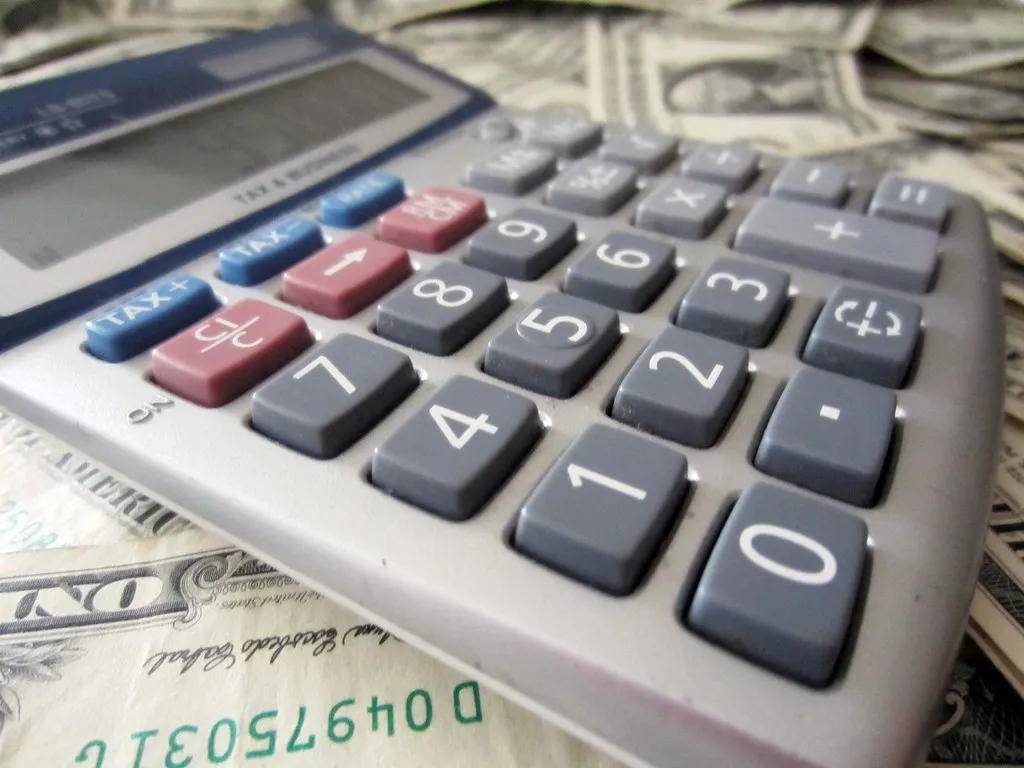
Look twice at the line
One bank line is rarely one tax. A letter in the same stack can be a different government.
Click to see which part is which ›Tap to see which part is which ›Six parts inside one withdrawal
Open one part. The sheet says what it is, and which date comes next.
1The income tax line
The income tax line
That line on the return has its own name. It does not have to match the withdrawal.
Send the total tax line if you have it, and we keep it apart from the rest.
2Schedule SE, when it is even there
Schedule SE, when it is even there
Self-employment tax is computed on that schedule when the year has those earnings. The rate stays in the current instructions. We do not type a percent from memory.
Tell us whether the year had net earnings from the business. If it did not, this part may be absent.
3An estimate that stayed in the bank
An estimate that stayed in the bank
A June or September slip that never left often shows up inside a later debit. It is not a new tax. It is last year's unpaid piece.
List what you actually sent. The gap can be seen without a penalty calculator.
4Withholding on wages
Withholding on wages
Withholding is one way a debit shrinks. A W-4 changes wages. It does not, by itself, close a business year.
Name wages and business income as two piles. We will not pretend one form fixes both.
5A May letter from a state
A May letter from a state
May can bring a state notice. The IRS is a different letter. The name at the top says which government wrote it. A notice can ask for a report even after it shows a tax of zero.
Send the name on the letter. We will say which government wrote it.
6October, when the next one gets a size
October, when the next one gets a size
A month that has closed can put a size on the next debit before spring. The offer is that size. It is not a promise that the number will delight you.
Say whether you want October to size it. If the parts were all you needed, we stop there.
Steven Palmieri. Tax CFO is this card's title. Entrepreneur's CFO names the practice.
Click to see who answers this ›Tap to see who answers this ›Owners join by video from any state. The books are shared, and the next debit gets a date we both can see.
Tell us which part stung
Name the snag in a sentence. We reply with the part we can see, not a packet.
You will be talking to the Steven Palmieri practice.
The feeling, one layer down
Why one bank line feels like one tax
A bank line does not label itself. People treat the whole withdrawal as income tax because that is the only name they were given. Wanting a single villain is understandable. The papers under the total usually have more than one line, and folding them together is how the next debit stays a surprise.
Income tax is one line on the return. It is not required to equal what left the bank. Self-employment tax, when the year has those earnings, is a different computation on Schedule SE. A slip you never sent is not a tax of its own. It is an earlier estimate showing up inside a later withdrawal.
Estimates generally come into play when you expect to owe at least 1,000 dollars after withholding and refundable credits, and those amounts are under the smaller of 90 percent of this year or 100 percent of last year. The prior-year side becomes 110 percent when that year's adjusted gross income was over 150,000 dollars, or 75,000 dollars if married filing separately.
The payment dates are April 15, June 15, September 15, and January 15. A date that lands on a weekend or a legal holiday does not stay put. It slides to the following business day. Skipping one can enlarge what you pay later. This page says that without a penalty calculator. No penalty percent is computed here.
Withholding, estimates, and a May letter
Withholding is one way a debit shrinks. Estimates are the other. A W-4 changes withholding on wages. It does not, by itself, close a business year. Tell us wages and business income as two piles, and we will not pretend one form fixes both.
May can bring a state notice. The IRS is a different letter. A state can still want its report after the tax line prints as nothing. Federal estimates keep four days of their own, mid April, mid June, mid September, and mid January. Send the name on the letter and we will say which government wrote it. The dollar line that belongs to one state is written on the page for owners in that state, as a public illustration, and it is never your rate.
October is when a closed month can put a size on the next debit, before spring. The offer is that size, without a pep talk and without a promise that the number will delight you. A smaller number, arrived at openly, is a plan. A promise of zero is not on offer.
The IRS payments page describes arrangements that are their program. We do not represent you in a collection case, and we will not invent an outcome. We can say what we are able to prepare, and we can point at that page. Sending part is a fact you can tell us.
What the books and the return are for
The useful want, after the feeling, is a debit that was already on a calendar. The closed month is what lets a slip actually go out. The read we owe you is the size of the next one while October can still change it.
One set of closed months feeds the statements and the return together. Height, if that word helps, is naming the part before the next withdrawal. We at Steven Palmieri hold that work. The parts stay the answer to the feeling you came in with.
Sometimes the sourness is the surprise, even when money came back. The feeling can show up when you paid and when you did not. Then we return to parts. Tell us which way the money moved.
The next date depends on which debit you mean. An estimate, a state letter in May, and a balance due in spring are different families. Name the last debit and we will name the family of the next date, not a universal day. If a provider already runs pay, that provider keeps running it. We can help you get one stood up, and we can record what it reports. The money does not leave from this practice.
What we will not pretend
There is no trick on this site that makes a debit vanish. If you wanted a trick, we do not have one. If you want the next debit sized in October, that is the work.
A bank cover that says the statements were examined is not a document we write. We also do not write an opinion that speaks to a reporting framework. That file is pointed, in the opening conversation, to a firm allowed to sign it. Open disclosures before you send the form if you want that limit written in one place.
Passwords stay off this form, and they stay off the phone call too. A screenshot of the withdrawal is enough to start. The amount can stay off the first note if you would rather say only the month.
A year you were owed can still feel bad. We will not joke about that. Agree with the feeling first. Split the line second. The person in any example on these pages is made up, and no client's dollar is printed.
Four ordinary weeks around one withdrawal
December can feel like the year is over because the shop is quiet and the holidays are loud. The January estimate is still on the calendar after that week. People forget it because the big payment already happened in the spring, and this one arrives while everyone is looking at the new year. The calendar on the tile is that week. A quiet shop in late December does not push that January date off the calendar.
A busy week can move money out while the work is still standing in front of you. The next debit gets a size before that week, from a month that has already closed, not a guess made between customers. Bring the notice, the last return, and the bank line. We size the next payment before it leaves, not after.
The wait for a number with no name stretches the same way a long afternoon does. The picture is the laptop at home after the bank app showed one line. Hunger is not the point. An unnamed withdrawal is. Naming the parts does not make the afternoon pleasant. It makes the next one something you could have expected.
A state letter and a federal letter can land in the same stack. We look twice at a withdrawal for that reason. One bank line is rarely one tax. Income tax can be in it. A self-employment computation can be in it. An estimate that never left can be in it, wearing the date the bank finally noticed. The calculator in the picture is the second look, not a promise that the number gets smaller.